Keeping your Asheville home comfortable takes energy throughout the year. Your heating system works through cold winter nights, while your air conditioner handles warm summer days. If you’re replacing your equipment, a geothermal HVAC system may help lower those costs.
Geothermal systems use heat from the ground to warm your home and move heat underground to cool it. They can use less energy than many conventional systems. Although installation usually costs more, lower utility bills and a long equipment life can make geothermal worth considering.
What Is a Geothermal HVAC System and How Does It Work?
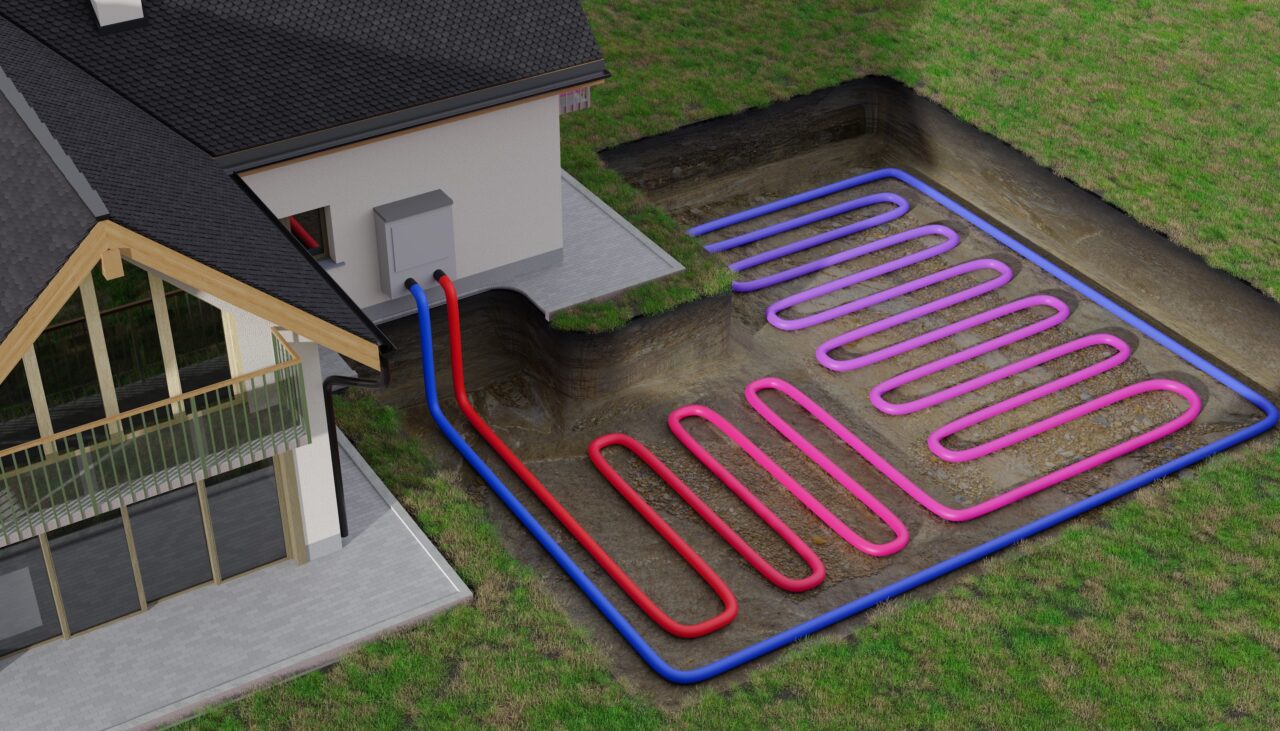
A geothermal heat pump moves heat between your home and the ground. Most home systems use buried pipes called a ground loop. A water-based fluid flows through the pipes to carry heat.
In winter, the fluid picks up heat from the ground. The heat pump uses that heat to warm your home. In summer, it removes heat from your home and sends it into the ground.
Underground temperatures stay steadier than outdoor air temperatures. This helps the system heat and cool your home as the weather changes.
How Do Geothermal Systems Save Energy?
Lower Monthly Utility Costs
Geothermal systems move heat instead of making it by burning fuel or using electric heating elements. They can also use less electricity than many standard air conditioners and air-source heat pumps.
Using less energy can lower your monthly bills. Over several years, those energy savings can help offset the higher installation cost.
Your savings depend on your current system, energy rates, insulation, and temperature settings. If you replace a gas furnace, look at your total heating costs. Your electricity use may increase, but you won’t have to buy gas to run the furnace.
Longer Equipment Lifespan
A geothermal heat pump may last more than 20 years, and the buried pipes can last for decades. The system’s lifespan depends on the equipment, installation, and care it receives.
Most moving parts are indoors, away from rain, snow, and falling branches. The underground pipes are also protected from outdoor weather.
The system still needs regular maintenance. Changing filters and having a technician check airflow, electrical parts, and system operation can help keep it running well. These visits also let the technician catch worn parts before they cause bigger problems.
Consistent Year-Round Heating and Cooling
A geothermal system handles both heating and cooling. As the seasons change, it switches between heating your home and moving heat outside.
Western North Carolina has cold winter days, warm summers, and changing temperatures in between. Because geothermal systems exchange heat with the ground, outdoor temperature changes affect them less than air-source systems.
The system still needs to fit your home. Properly sized equipment, a suitable ground loop, and good ductwork all help it keep rooms comfortable.
Reduced Environmental Impact
Geothermal systems use electricity to move heat. They don’t burn gas, oil, or propane in your home to provide heating.
Lower energy use can also reduce the emissions linked to heating and cooling. The amount depends on how your electricity is generated and what equipment you’re replacing.
You can reduce energy use further by improving insulation and sealing drafts. These changes help keep warm air in during winter and keep it out during summer. When your home holds its temperature better, your system has less work to do.
Is a Geothermal HVAC System Worth the Upfront Investment?
Geothermal usually costs more to install because the ground loop requires digging or drilling. The amount of work depends on your property and the type of loop needed.
Several factors affect whether it’s a good investment:
- Installation costs: Difficult digging, deep drilling, and equipment access can increase the price.
- Yard size and ground conditions: Available space, soil, and rock help determine where the pipes can go.
- Your home’s needs: Size, insulation, windows, and ductwork affect how much heating and cooling you need.
- Energy prices: Local rates and your current system’s HVAC efficiency affect possible savings.
- How long you’ll stay: The longer you stay, the more time you have to benefit from lower bills.
A professional assessment can help you compare the upfront cost with likely savings. Every home is different, so there’s no set timeline for when those savings will cover the added cost.
Explore Geothermal HVAC Solutions With ALL WAYS Heating & Air in Asheville, NC
Geothermal can provide steady comfort, lower energy bills, and long-lasting equipment. Our team can explain geothermal HVAC systems and what installation involves.
Our licensed, factory-trained technicians can review your HVAC installation options and help you decide whether geothermal fits your home and budget.
Contact ALL WAYS Heating & Air for a free in-home estimate in Asheville, NC.